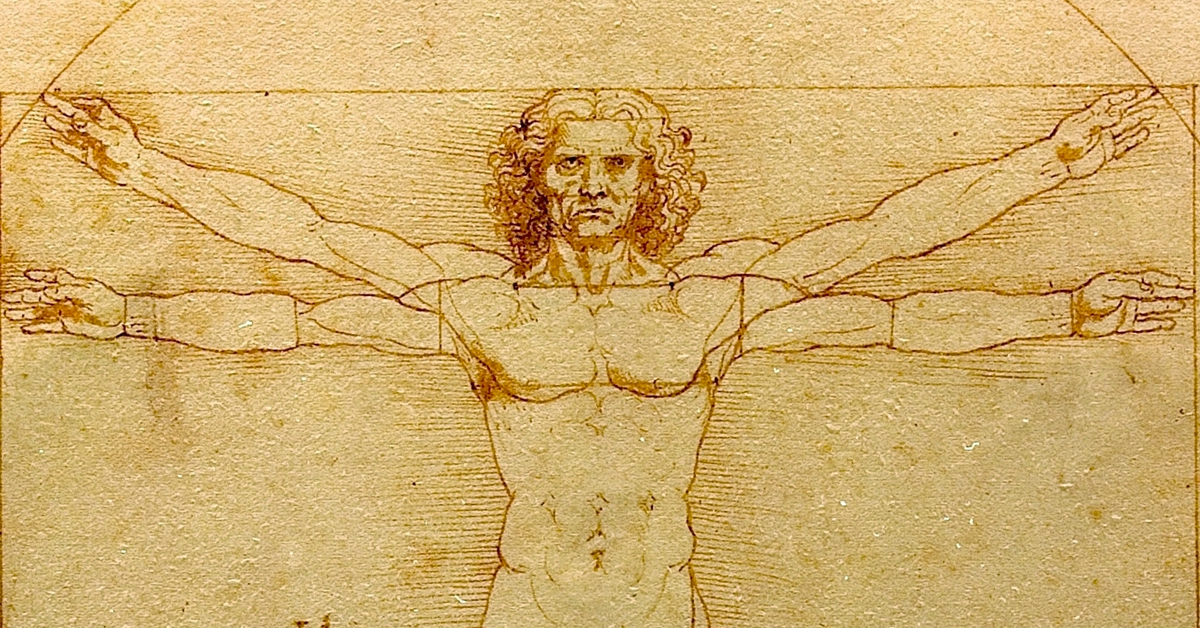
The roman mile of 5000 feet 1480 m was introduced into england during the occupation. Based on the human body it was taken to be the length of an arm from the elbow to the extended fingertips.

Historical Development Of Measurement Historical Development
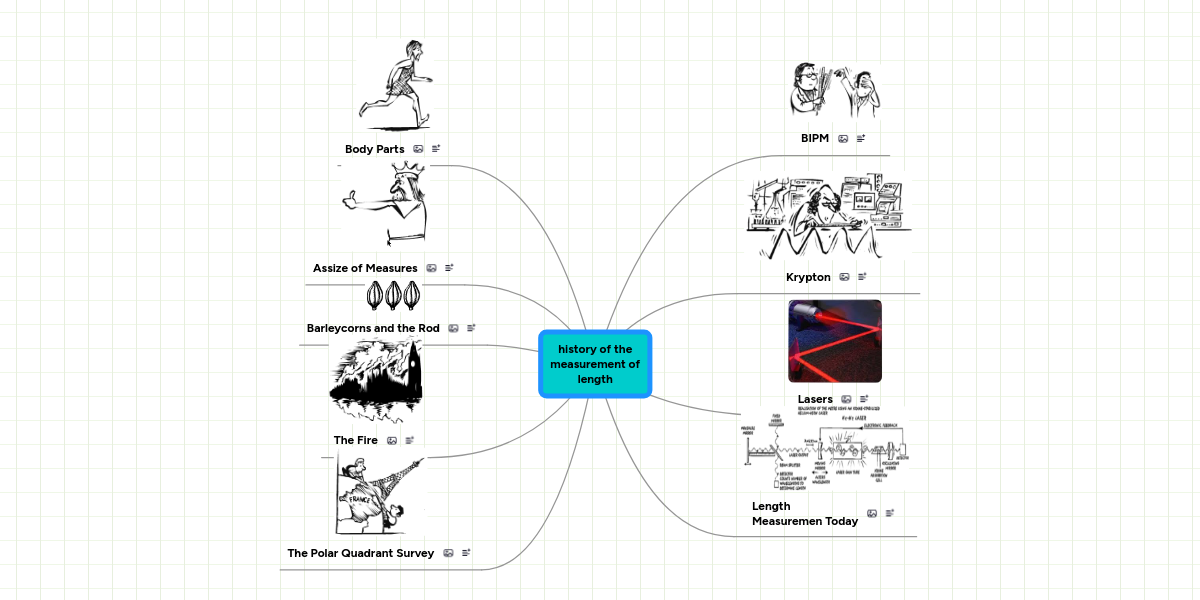
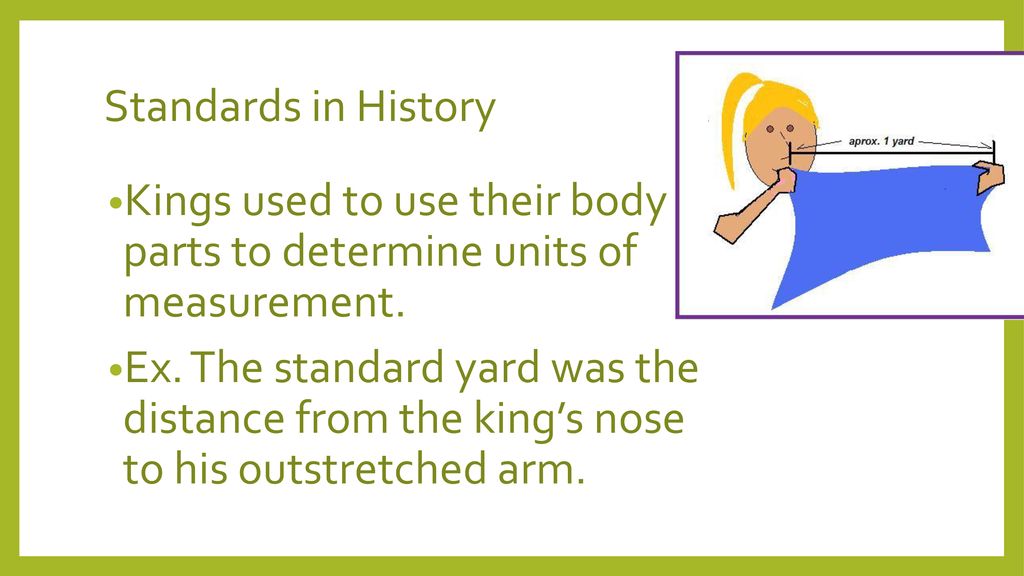
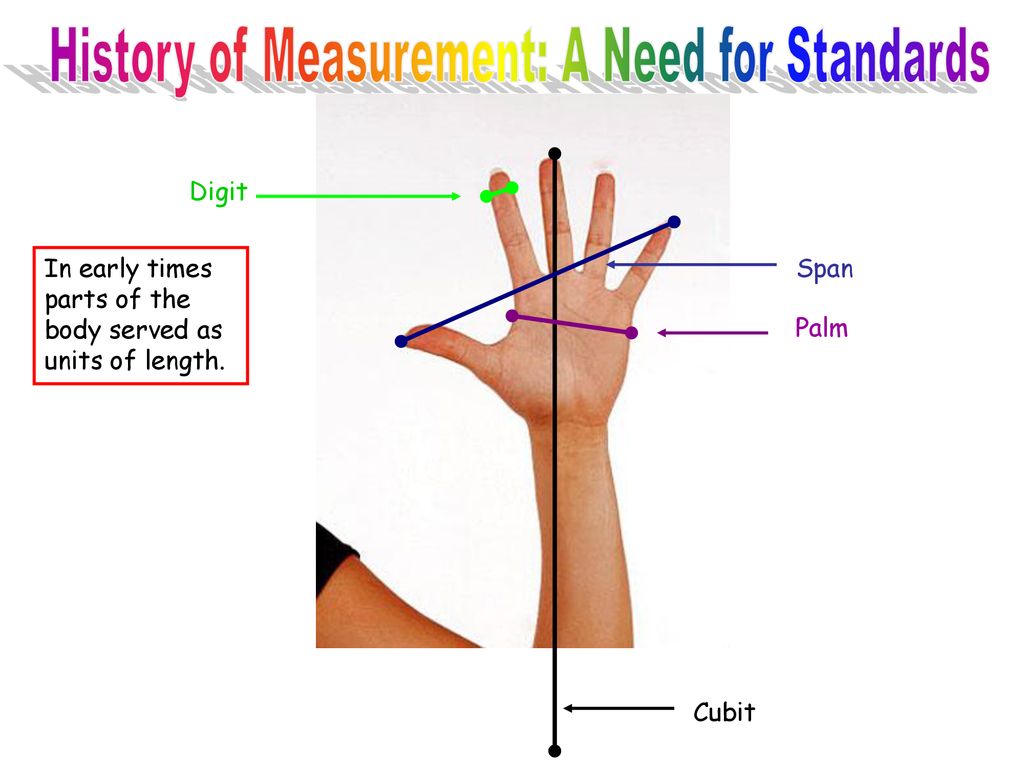
History of measurement using body parts. Ancient people measured objects using different body parts. The roman foot 296 mm was divided into both 12 unciae inches 247 mm and 16 digits 185 mm. For an average adult male at least average as of a couple of millennia ago a cubit works out to about 18 inches 457cm. In body based units of measurement at interesting thing of the day i listed a few such historical units of measure which can still come in handy for rough approximations if you dont have a ruler or tape measure handy. Eight body based units of measurement. One which gained a certain universal nature was that of the egyptian cubit developed around 3000bc.
Each persons body part differed from another persons body part. This is called non standard measurements. Egyptians mainly used their cubits to measure objects. In ancient times the body ruled when it came to measuring. At first an inch was the width of a mans thumb. In the 14th century king edward ii of england ruled that 1 inch equalled 3 grains of barley placed end to end lengthwise.
Cubits were a standard unit of length in sumeria egypt and other parts of the middle east long before anyone dreamed of an arbitrary decimal based measuring system. There were unbelievably many different measurement systems developed in early times most of them only being used in a small locality. The length of a foot the width of a finger and the distance of a step were all accepted measurements. The romans also introduced the mille passus 1000 paces or double steps the pace being equal to five roman feet 1480 mm. Before we had precise standardized units of measure such as meters and feet lengths and even ocasionally volumes were reckoned based on the average dimensions of human body parts.
Gallery of History Of Measurement Using Body Parts